Today’s post concerns the interesting nuggets of thought to chew on that was raised by Micheal McCarthy in his most recent edition of ‘Nature Studies’ in the Independent, entitled ‘More badgers and fewer hedgehogs. Coincidence? I don’t think so’. Before I go on, I’d just like to mention that Nature Studies is one of the best natural history columns out there, not surprising considering that McCarthy is a fantastic environmental journalist; I’ve only just started reading his book Say Goodbye to the Cuckoo, and already I would heartily recommend it to others just from the first chapters.
And like all good journalists, a topic that needs a longer than average musing should be brought up from time to time. In this case, it’s the suggestion that perhaps increasing badger populations across the UK are partly to blame for the hedgehog’s worryingly dramatic decline over the last 30 or so years. It could potentially be in the Chris ‘I’d happily eat the last panda’ Packham spectrum of controversies, and as McCarthy points out, with the first cull trials imminent (something I heartily disagree with based on the scientific evidence, but that’s another story) our monochrome mustelid friends don’t really need anymore cause for concern on their reputation. Continue reading

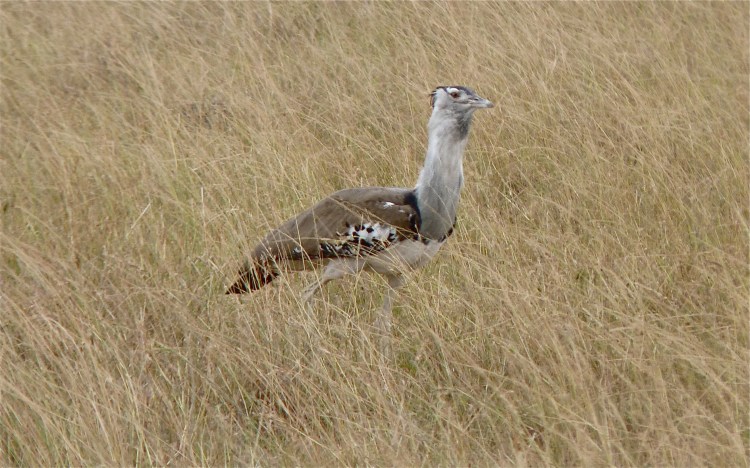
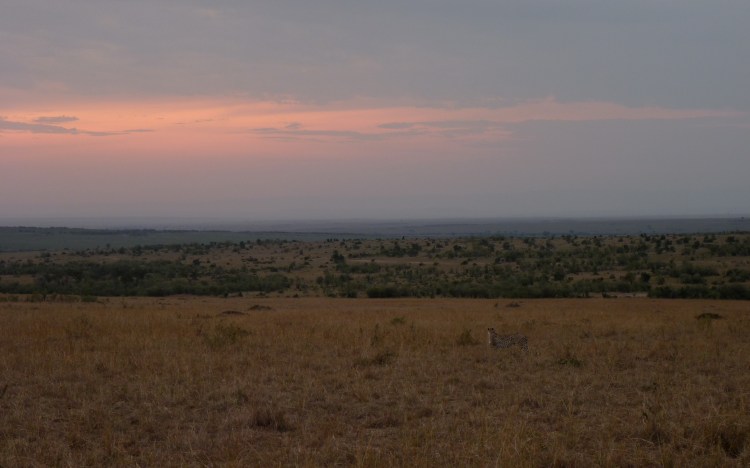 The diversity of the bird species seen throughout our trip, as you can imagine, was fantastic. From flamingo flocks in their hundreds on Nakuru, to delicate Sunbirds feeding from flowers just by our dining table in the Swara Plains camp, the rich variety of avian life we saw was brilliant; but if I had to pick a favourite, it would be these guys:

 ose flagship species are undoubtedly awesome and their popularity is a key to finding the way to preserve them for years to come. And there are certainly some inverts that are very handy at grabbing the public’s attention due to our own definitions of a ‘beautiful’ animal. Butterflies instantly come to mind, with appreciation of their beauty thankfully turning from pinning specimens to a board for a ‘stamp collection’ to managing habitat such as chalk downland largely for the benefit of rare species of butterfly. They are probably the most photogenic of the arthropods too, as the photo to the right shows: I was lying in a Cornish field for about half an hour snapping shots of these obliging common blues (much to the bemusement of passers by) this Summer. Dragon & damselflies are another group that could be classed as ‘romantic’ insects, the sight of them buzzing along a peaceful brook in a sunny spring afternoon bringing in more deserving public respect.
  Pete Cooper Wildlife