
Could a beaver-generated wetland sitting within an agricultural landscape – like this one in Bavaria – soon be widespread and indeed tenable across Britain?
It’s pretty amazing how quickly my childhood daydreams are growing into conservation’s zeitgeist. While I didn’t know the word ‘rewilding’ when I was eight years old, I would never have guessed optimistic hopes of having beavers back in the local stream would be a tenable prospect by the time I was at university, yet alone a middle-aged adult.
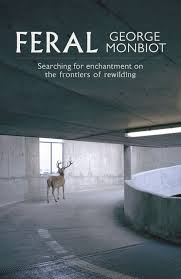
The change is dramatic even in the space of a few years. In 2015 I ran a rewilding workshop for young people from our youth nature network A Focus on Nature, not long after George Monbiot’s ‘Feral’ really brought rewilding into the mainstream. At the time I thought there were few outlets to explore the topic: but cut to late 2018/early 2019 and there are five rewilding conferences and workshops alone that I know of.
I was kindly invited to attend and write about the most recent of these, hosted at what you might think to be a pretty surprising venue – the Royal Agricultural University, with co-hosts Cirencester College. It’s fair to say farmers have not been the most supportive of rewilding; Monbiot has done much for pushing forward the agenda, but it’s fair to say for many of those who manage 72% of Britain, his views have been about as welcome as hair in your soup. So to have an opportunity where the agricultural sector are willing to engage with the idea, rather than stomping it into the ground in the hope it’ll shut up, is very positive to see. Continue reading
 It was last Autumn that I read one of the most exciting pieces of natural history literature I have yet come across, The History of British Mammals, by the great mammalogist Dr Derek Yalden, who very sadly died earlier this year. Although it is a proper scientific text aimed at those with a keen interest in our native mammal fauna, it read like any great literary epic in my mind, chronicling the changing fortunes of our mammals from the Ice Age to the present day – and it’s what it had to say on the great megafauna that roamed our isles right into historic times that caught my imagination in the same way any piece of fiction could. The idea of wolves, lynx, wild boar and more roaming the woods beyond my garden once upon time has always fascinated me; complete with archaeological records and evocative illustrations, The History of British Mammals brought this almost fairy-tale like wild past into fantastic reality.
 Pete Cooper Wildlife