Comparing what has gone in the world since my last blog post at the end of 2019 feels like looking back at 1985. Which is odd considering I wasn’t born until 9 years later. Regardless, I had originally written this as another nature diary to tie in with the current season a couple of months, hit a block as sometimes happens with these things, and it got buried under a pile of ‘to-dos’ that only took a bloody global pandemic to blow the dust off. Anyhow, I hope this writing gives you some solace in this trying time, which has necessitated the additional conclusion to this piece I never would have thought I’d have to add back then.

Storm Dennis came through last week. Not exactly the most tremble-triggering name for a front that resulted in the highest number of flood alerts in England’s history, so Dennis was rather a menace as it turned out. Still, it had calmed down a fair bit since then, or so I thought. As I opened my car door on a small lane on the edge of the River Severn’s southern shore, my hair whipped into my face and reminded me no, I definitely do need a haircut. The inland cosiness of Bristol smothered the reality that out on the water, the remnants of Dennis were still hollering even if it wasn’t quite a gale.
If anything though, it gave me newfound appreciation for this liminal meeting place of river and ocean, as it tries to justify itself as sort-of-sea. There were proper waves and white horses cresting the wind-churned water, comforting to someone spoiled by dramatic coastlines after four years living in Cornwall. It was still as brown as Willy Wonka’s chocolate river though, flotsam of driftwood and debris ripped from roots far away along the Severn’s inland course buckling in the surf. This interface where it’s not quite the mouth of the Severn nor the Bristol Channel can’t recreate that true sense of the sea, even if you can just about get it if you stand on the promenade at Clevedon down the road. But it did a reasonable job that day, and if I could give the ‘sea’ a gold star without the worry of plastic pollution, I would’ve been happy to chuck one into it. Continue reading
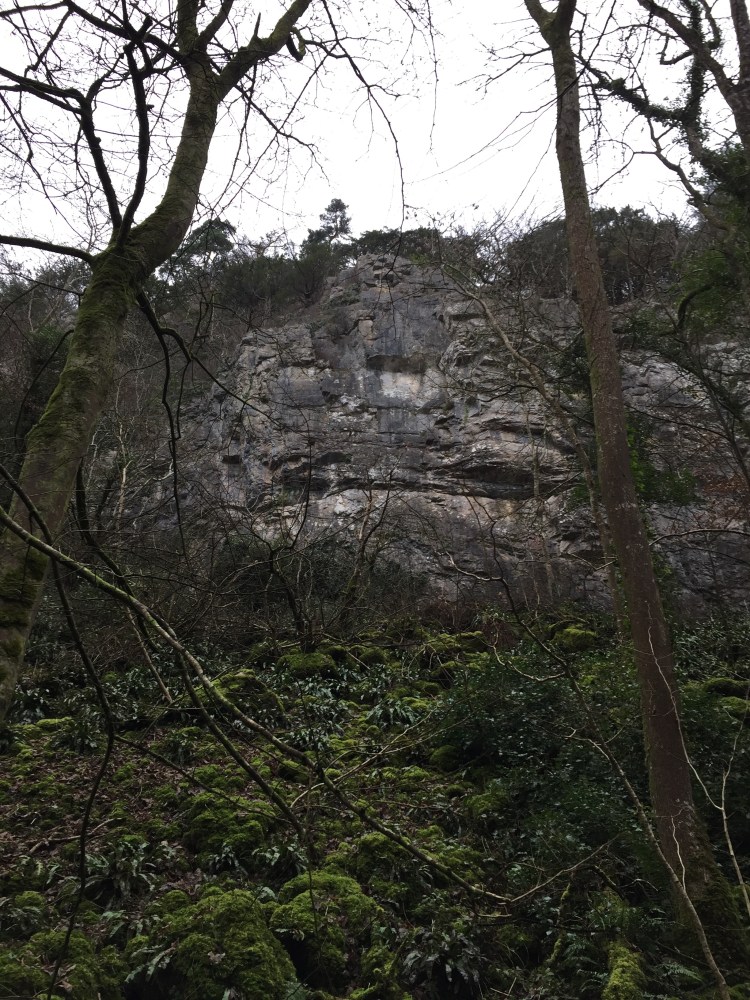
 Next comes a leashed Labrador clearly very excited by something encountered up ahead, wheezing and trying to skirt his way back to the opposite direction. His owner nods at me half-heartedly, his face red and flustered from working reasonably hard to keep him heeled. Carrying on, I naturally assume the white and brown form, partially obscured by a few adults and held round the collar by a boy of about 9 or 10, I was coming up to in the path is a bitch in heat, and that this family were quickly reassessing their decision to take her out to a public space on Sunday afternoon. When she bleated however, I adjusted my view to realise the bitch was a goat.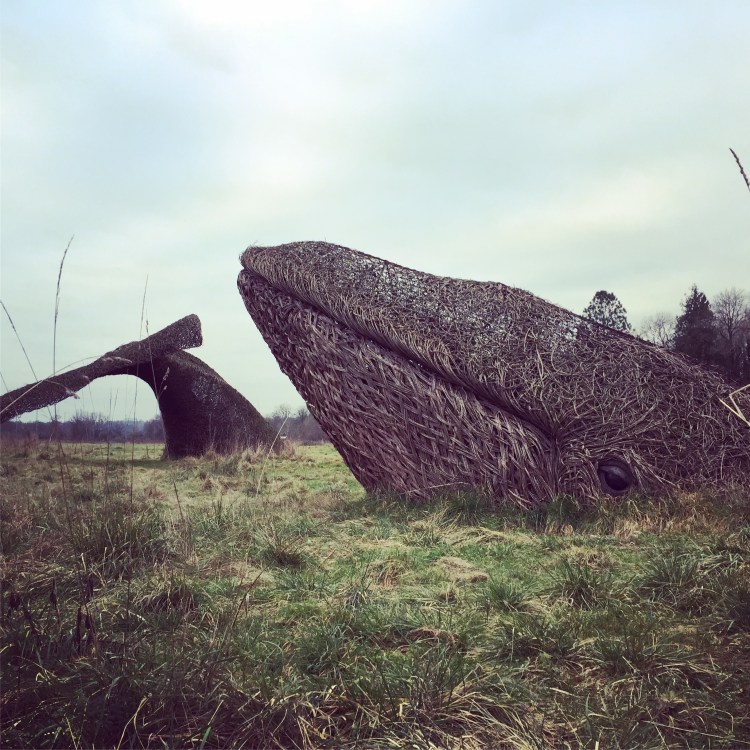

 Knowing that trying to see harvest mice in the wild is about as easy as getting a Glastonbury ticket (we tried and failed on both releases this October – we cling to the vain hope of March re-sales in the face of all odds), finding the old nest leaves me satisfied enough on this whistle-stop visit to Fishlake at the afternoon’s end. Close to sunset on a December evening is not exactly widely held as a prime time for nature watching, and I’ve already completed the end of the walk circuit. Above my head, more and more cormorants appear flying into roost, and even in the middle of a reedbed spanning almost the entire floodplain valley, the “chack-chack” of restless blackbirds echoing the end of the day can still be heard from the scrub around its edges.


 For a celebration, which in its pagan roots at least, is about banishing the lingering cold and dark and embracing our loved ones in the warmth of our homes, the third day before Christmas this year is remarkably Spring-like. The sky is perfectly blue, the temptation to loosen the zipper on my coat is burgeoning, and while the clacking of sedge warblers and the bubbling of cuckoos is still a long way off, the golden reed beds hardly feel dead.
 Pete Cooper Wildlife